

What is Ekadanta Sankashti Chaturthi?
Ekadanta Sankashti Chaturthi | Ekadanta Sankashti Chaturthi Vrat Katha | Lord Ganesha | Ganesha Chaturthi 2026
Every month, Lord Ganesha blesses his devotees through a sacred vrat called Sankashti Chaturthi — observed on the fourth day (Chaturthi) of Krishna Paksha, the waning phase of the moon. Each month's Sankashti is dedicated to a unique form of Ganesha, and the one that falls in the month of Jyeshtha is known as Ekadanta Sankashti Chaturthi.

The name itself carries deep meaning. "Eka" means one, "Danta" means tusk — together, Ekadanta refers to the one-tusked form of Lord Ganesha. This is one of Ganesha's most powerful and revered forms, celebrated not just for its appearance but for the profound story behind how Ganesha came to have only one tusk. On this day, Lord Ganesha is worshipped in his form as Chanakra Raja Ekadanta Maha Ganapati, seated upon the Srichakra Peetha.
The word Sankashti itself comes from the Sanskrit words Sankata (trouble) and Nashana (destruction) — literally meaning the destroyer of all troubles. Observing this vrat is considered one of the most powerful remedies for removing life's obstacles, clearing sins, and attaining prosperity, health, and peace.
Ekadanta Sankashti Chaturthi 2026 — Date & Moonrise Time
Date: Tuesday, 5 May 2026
Chaturthi Tithi Begins: 5 May 2026 at 5:24 AM
Chaturthi Tithi Ends: 6 May 2026 at 7:51 AM
Moonrise (Chandrodaya) Time: 10:22 PM on 5 May 2026 (based on standard Indian timings —it may vary according to your Location)
This year, Ekadanta Sankashti Chaturthi falls on a Tuesday, making it an even more auspicious Angaraki Sankashti Chaturthi. According to legend, Lord Ganesha himself declared that those who observe the vrat on a Tuesday-Chaturthi will have all their wishes fulfilled. It is said that fasting on a single Angaraki Chaturthi is equivalent to observing the vrat for an entire year.
Note on Moonrise Time: The moonrise time varies from city to city. Devotees in Chennai, Bengaluru, Mumbai, Delhi, Hyderabad, and other cities should refer to a local Panchang or a trusted Hindu calendar app for city-specific moonrise timings. The fast must be broken only after sighting the moon.
The Significance of Ekadanta — Why Does Ganesha Have One Tusk?
Ekadanta | Ganesha the God | Where is the tusk of Ganesha | Significance and story of Ekadanta form of Ganesha
Of the many forms of Ganesha, Ekadanta is among the most distinctive. Most depictions of Lord Ganesha show him with one full tusk and one broken tusk. Have you ever wondered why? There are several sacred stories behind this, but the most famous involves two mighty figures from Hindu mythology — Lord Shiva and Parashurama, the sixth avatar of Lord Vishnu.
The Legend of Ekadanta — Shiva, Parashurama, and the Broken Tusk
Parashurama | Parashurama Avatar | Parashurama is Vishnu Avatar | Parashurama is Chiranjeevi | Lord Parashurama | Shiva | Shiva God
Parashurama, the warrior sage and one of the seven Chiranjeevis (immortals) of Hindu tradition, was a devoted disciple of Lord Shiva. After completing years of intense penance and receiving Shiva's divine blessings including the legendary Parashu (axe), Parashurama set out one day to meet his beloved Lord Shiva at Mount Kailash. At the gates of Kailash, he was stopped by none other than Lord Ganesha, the devoted son of Shiva and Parvati, who stood guard while his father rested inside. Ganesha politely but firmly refused Parashurama entry, explaining that Lord Shiva was not to be disturbed.

Parashurama grew furious. A battle broke out between the two. He hurled the divine Parashu axe — the very weapon gifted to him by Shiva himself — at Ganesha. Knowing that this axe was a gift from his own father, Ganesha chose not to dodge it out of reverence. He allowed the axe to strike, and it severed his left tusk. From that moment onward, Lord Ganesha came to be known as Ekadanta — the One-Tusked One. The story carries a profound message: Ganesha's sacrifice of his tusk is a symbol of his boundless love and respect for his father, Lord Shiva. His restraint in the face of provocation teaches devotees that true strength lies not in retaliation but in devotion.
The Story of Ekadanta in the Mudgala Purana:
Ekadanta in the Mudgala Purana — The Cosmic Significance
Ganesha the God | How many forms of Ganesha are there | Ganesha mantra
While the Parashurama story explains how Ganesha came to have one tusk, the sacred Mudgala Purana — one of the only two scriptures in all of Hindu tradition exclusively dedicated to Lord Ganesha — reveals a far deeper, cosmic dimension of the Ekadanta form. The Mudgala Purana is an Upapurana of immense spiritual significance. It describes eight incarnations of Ganesha, each appearing in different cosmic ages: Vakratunda, Ekadanta, Mahodara, Gajavaktra, Lambodara, Vikata, Vighnaraja, and Dhumravarna.

Ekadanta is the second of these eight cosmic incarnations — and it is perhaps the most philosophically profound. Ekadanta symbolizes the aggregate of all individual souls, conveying essential Brahmic attributes. In this form, Ganesha defeats Madasura — the demon of arrogance and conceit — and teaches the virtues of humility, single-mindedness, and self-restraint. Think about what this means. The single tusk of Ekadanta is not just a physical feature — it is a profound symbol. His single tusk stands for focus and the piercing of ego's pride. Madasura represents the intoxication of pride — the feeling that one is above all others, above all laws, even above the divine. This demon lives within every human being. Every time we place our ego above wisdom, Madasura grows stronger. And it is Ekadanta who cuts through that arrogance. Ganesha's earliest name was in fact, Ekadanta, referring to his single, whole tusk. Some of the earliest images of Ganesha show him holding his broken tusk. The importance of this distinctive feature is reflected in the Mudgala Purana, which states that the name of Ganesha's second incarnation is Ekadanta.
Who is Lord Ganesha? — Ganesha the God of Wisdom and New Beginnings
Shree Ganesha | Lord Ganesha | Ganesha is the God of what | Ganesha and Lakshmi | Ganesha or Kartikeya who is elder | How many forms of Ganesha are there | Ganesha ji
Lord Ganesha is one of the most widely worshipped deities in Hinduism. He is the god of wisdom, intellect, new beginnings, and the remover of obstacles. No puja, no auspicious event, no new venture begins in a Hindu household without first invoking Ganesha. He is the son of Lord Shiva and Goddess Parvati, and the elder brother of Lord Kartikeya (Murugan). Ganesha is often depicted alongside Goddess Lakshmi, especially during Diwali — the belief being that wherever Ganesha is worshipped, Lakshmi (wealth and prosperity) follows naturally. The scriptures describe 32 primary forms of Ganesha, each with unique attributes. Idols made from sacred materials like Karungali wood, Vellerukku root, or high-quality resin are considered far more auspicious for permanent installation.
Ekadanta Sankashti Chaturthi Vrat Katha
Ekadanta Sankashti Chaturthi Vrat Katha | Ekadanta Sankashti Chaturthi Katha
Every Sankashti Chaturthi has its own Vrat Katha. The katha associated with Ekadanta Sankashti Chaturthi narrates the glory of Lord Ganesha in his one-tusked form and the power of devotion and fasting. It tells of devotees who, even unintentionally observing a fast on Chaturthi day, attained great merit. In one story, a sinner who had fasted unknowingly all day long earned enough merit to attain a place in Svananda Loka — the sacred abode of Lord Ganesha himself. The katha concludes with Ganesha declaring that whosoever observes his vrat with sincerity will be freed of all troubles, sins, and worldly obstacles, and will be blessed with health, wealth, and peace. Reciting the vrat katha in the evening before the moonrise is the traditional practice.
Puja Vidhi — How to Observe Ekadanta Sankashti Chaturthi
Ganesh Puja | Ganesh Aarti | Ganesh Chalisa | Ganesha Mantra
Morning: Wake up early during Brahma Muhurta, take a ritual bath, and wear clean clothes. Perform the Sankalp — a vow to observe the fast until moonrise for the removal of obstacles. Set up a clean altar with a Ganesha idol preferably draped in a red cloth.
Offerings: Offer durva grass (Lord Ganesha's favourite), red flowers, modaks or laddus, sesame seeds, jaggery, incense, and a ghee lamp. Chant the mantra: "Vakratunda Mahakaya, Surya Koti Samaprabha, Nirvighnam Kuru Me Deva, Sarva Karyeshu Sarvada" or "Om Ekadantaya Namah".
During the Day: Maintain the fast. Permitted food includes fruits, milk, sabudana khichdi, potatoes, peanuts, and other satvik items. Grains and non-vegetarian food must be strictly avoided.
Evening: Recite the Vrat Katha, performing the Ganesh Aarti and Ganesh Chalisa. Moonrise: After sighting the moon, offer arghya (water mixed with milk) to the moon while chanting Ganesha's name. Break your fast after this ritual.
Puja Thali Set Section:
A proper Sankashti Chaturthi puja is incomplete without the right offerings. Here is your complete checklist:
| Puja Item | Significance |
|---|---|
| 🌿 Durva Grass | Lord Ganesha's most beloved offering-essential on Chaturthi |
| 🌺 Red Flowers | Symbolise devotion and are auspicious for Ganesha worship |
| 🍬 Modak / Laddu | Ganesha's favourite sweet — offered as Naivedyam |
| 🌾 Sesame Seeds (Til) | Purifies the body and mind during the vrat |
| 🍯 Jaggery (Vellam) | Offered for sweetness and prosperity in life |
| 🪷 Sandalwood Paste | For applying tilak and cooling the divine energy |
| 🥥 Coconut | Symbol of the ego being broken before the Lord |
| 🥛 Panchamritam | Sacred mixture of milk, curd, honey, ghee, and sugar |

Bring Lord Ekadanta Home — Ganesha Idols for Your Puja
Observing the Ekadanta Sankashti Chaturthi vrat is made even more spiritually powerful when you have a consecrated Ganesha idol in your puja room. At Om Spiritual Shop, we offer a curated range of Ganesha idols crafted from sacred materials:
1. Karungali Ucchista Ganapati: Carved from the sacred Karungali (Ebony) wood, this powerful idol represents the Ucchista form of Ganesha — associated with success, obstacle removal, wealth, and courage. Best for: Those seeking success in business, academics, and overcoming deep-rooted fears.
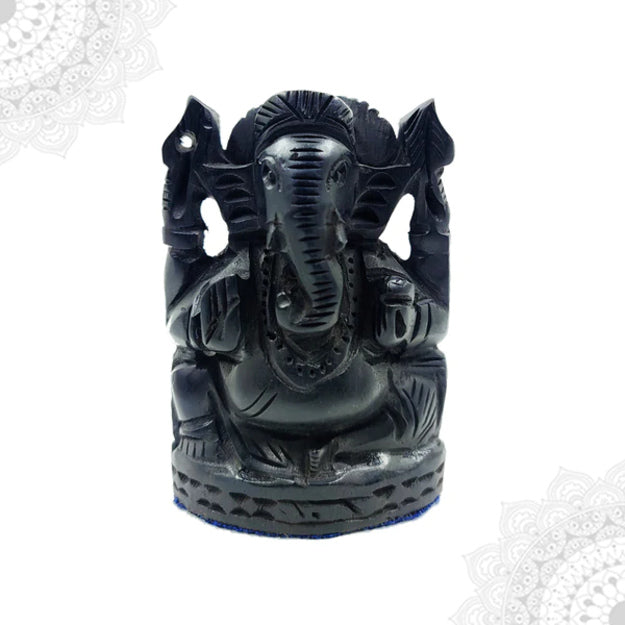
2. Karungali Vinayagar — Ebony Ganesha Murti (Model 10): A beautifully hand-carved 3-inch Karungali Vinayagar idol, crafted with meticulous attention to detail. Best for: Daily home worship, pooja room installation, and devotional gifting.
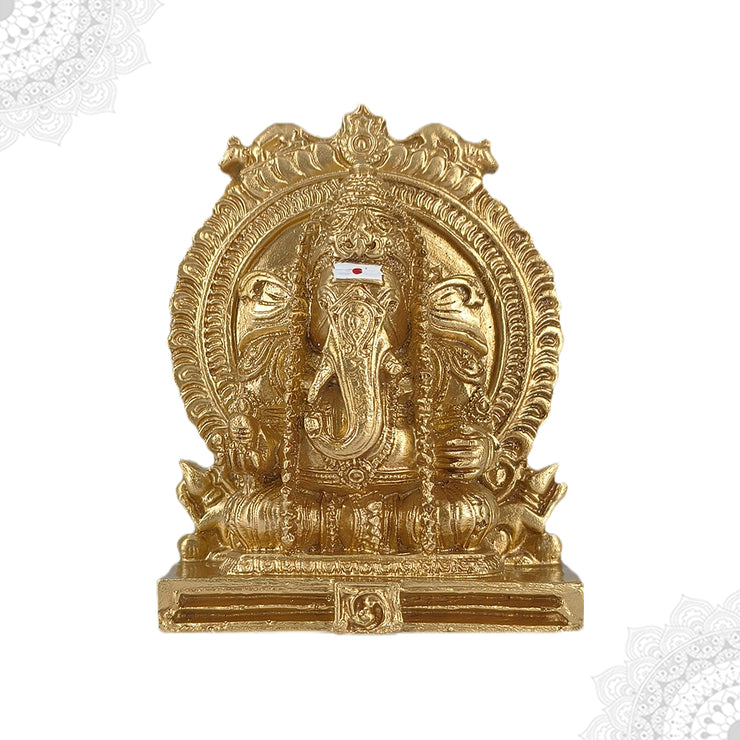
3. Karpaga Vinayagar Fiber Statue: Karpaga Vinayakar is the wish-fulfilling form of Lord Ganesha, known for bestowing prosperity and financial abundance. Best for: Return gifts, car dashboards, and home puja.
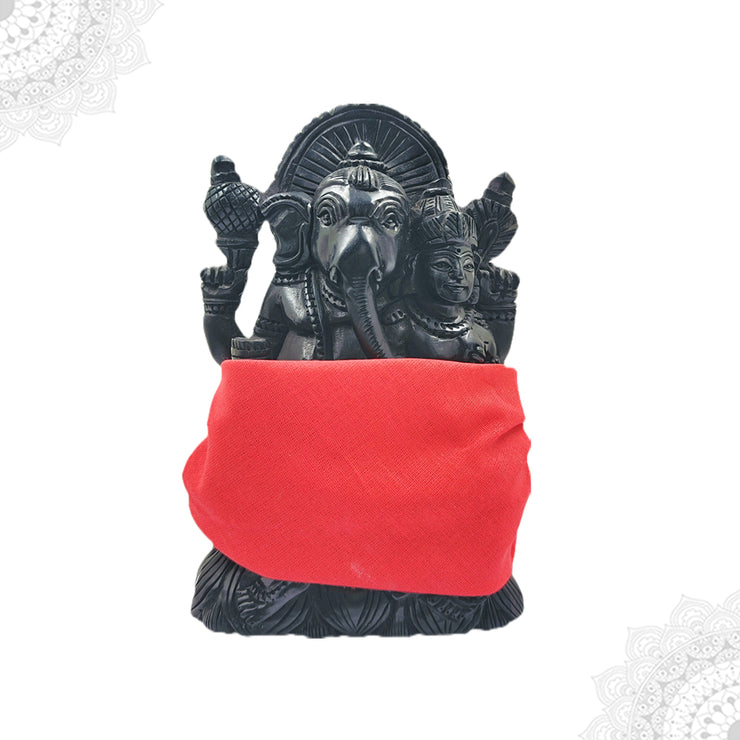
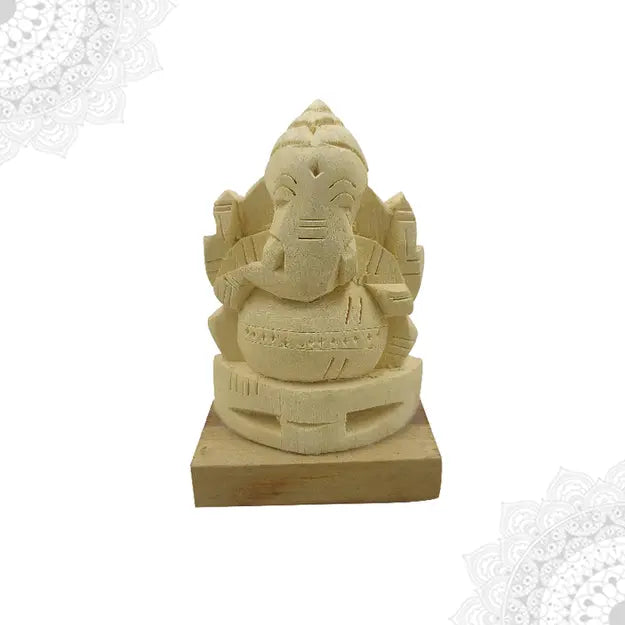
4. Vellerukku Vinayagar (Shwetark Ganpati): Carved from the sacred Vellerukku (Calotropis) root, one of the most spiritually potent Ganesha idols. Worship method: Coat with turmeric during Rahu Kalam, then apply sandalwood paste on a separate day before placing in your puja room.
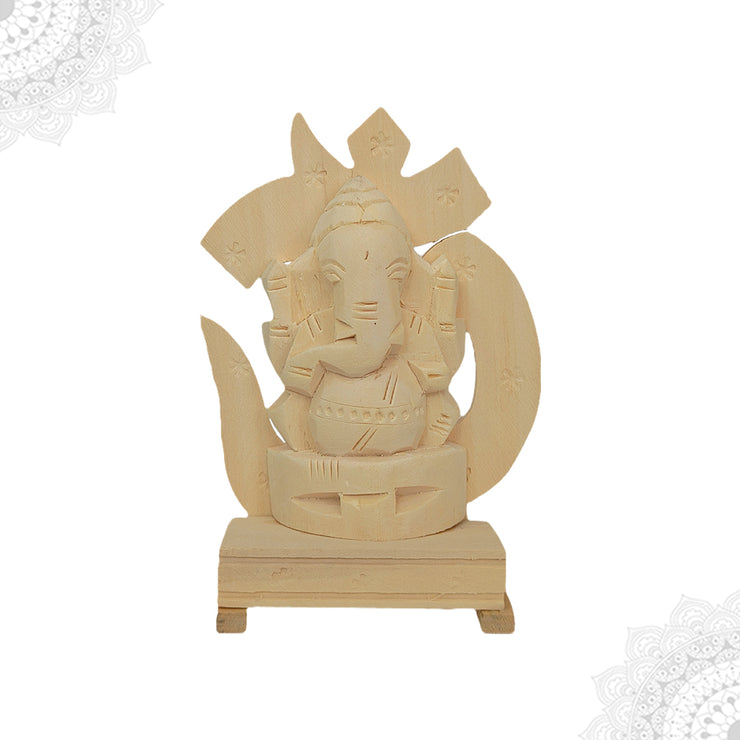
5. Vellerukku Vinayagar with Om Arch: The sacred Vellerukku Vinayagar idol set within a beautifully crafted Om-shaped arch. Best for: Meditation corners or your main puja room.
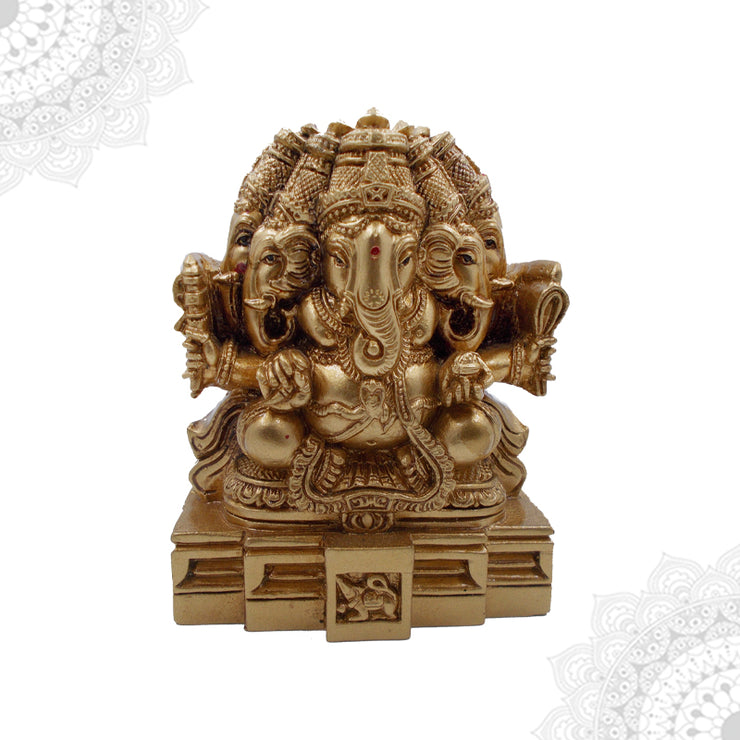
6. Panchamuga Ganesha Idol: Features five sacred faces, each radiating a unique expression of Lord Ganesha’s nature. Best for: Spiritual seekers and those seeking all-encompassing blessings.
All idols are available at Om Spiritual Shop — trusted store based in Chennai. Shipping available across India.
Famous Ganesha Temples You Must Visit:
Ganesha images | Ganesha ji | Lord Ganesha | Ganesha the god
Across India, Lord Ganesha resides in some of the most ancient, miraculous, and architecturally stunning temples. On the occasion of Ekadanta Sankashti Chaturthi, visiting a Ganesha temple or offering prayers to these sacred shrines is believed to multiply blessings manifold.
1. Shree Siddhivinayak Temple, Mumbai, Maharashtra

Perhaps the most famous Ganesha temple in all of India. The temple was built in the 18th century. The Ganesha idol here is known as Navsacha Ganpati — the wish-fulfilling Ganesha. It is said that no sincere prayer offered here goes unanswered.
2. Shrimant Dagdusheth Halwai Ganpati Temple, Pune

Built by a sweet maker in the late 19th century. The idol stands 2.2 metres tall and is adorned with nearly 40 kilograms of gold. Its energy on Sankashti Chaturthi is extraordinarily powerful.
3. Karpaga Vinayakar Temple, Pillayarpatti, Tamil Nadu

Believed to be more than 1,600 years old, carved out of a single stone. The presiding deity is Karpaga Vinayakar — with a trunk that curls towards the right, which is considered especially auspicious.
4. Kanipakam Vinayaka Temple, Chittoor, Andhra Pradesh

Established in the 11th century CE. What makes this temple truly mysterious is its Swayambhu Ganesha that emerged from a well. Devotees believe the idol is gradually growing in size over the decades.
5. Ucchi Pillayar Temple (Rockfort Ganesha), Tiruchirappalli

Dramatically perched atop the Rockfort hill in Trichy at a height of 273 feet. It is believed that Lord Ganesha himself placed the idol of Lord Ranganatha here when Vibhishana was bathing in the river Kaveri.
Frequently Asked Questions
Q: What is the date for Ekadanta Sankashti Chaturthi this month (2026)?
Tuesday, 5 May 2026. This year it coincides with Angaraki Chaturthi, making it doubly auspicious.
Q: What is the moonrise time for Ekadanta Sankashti Chaturthi vrat in my city?
Approximately 10:22 PM on 5 May 2026. Moonrise varies by city — please refer to your city's Panchang for the exact timing.
Q: What is the significance and story of the Ekadanta form?
Born from an encounter between Ganesha and Parashurama. Ganesha allowed the axe to sever his tusk out of reverence for his father, Shiva. It represents sacrifice and patience.
Q: Can women observe Ekadanta Sankashti Chaturthi vrat?
Yes, absolutely. It is believed to bring wellbeing to the family, health to children, and peace and harmony to the household.
Q: What is the difference between Ganesha Chaturthi and Sankashti Chaturthi? Ganesha Chaturthi is an annual birth festival. Sankashti Chaturthi is a monthly personal vrat observed for removing obstacles.
Closing Blessing
Ekadanta Sankashti Chaturthi is more than a festival — it is a monthly invitation to pause, fast, pray, and reconnect with the divine energy of Lord Ganesha. In the one-tusked form of Ekadanta, we see not just a god but a profound teacher — one who chose sacrifice over conflict, and devotion over pride.

May this Ekadanta Sankashti Chaturthi bring the blessings of Shree Ganesha into your home and heart. May all obstacles be removed. May wisdom guide your path.
|| Om Ekadantaya Namah ||
